




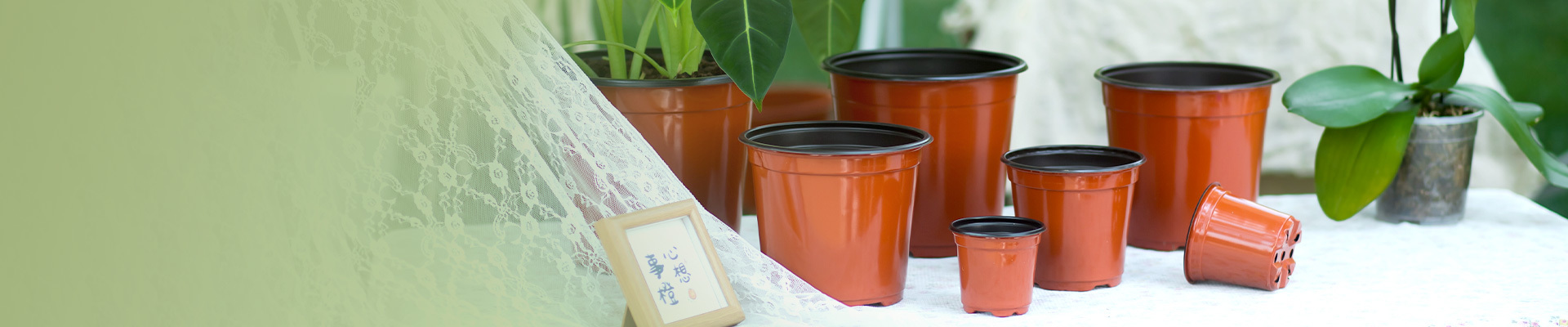
Top Characteristics to Look for in Quality Hard Pots for Your Gardening Needs
Release time:
2026-01-16
Author:
Source:
Abstract
Top Characteristics to Look for in Quality Hard Pots
Introduction to Quality Hard Pots
When it comes to gardening, selecting the right container is crucial for the health of your plants. Hard pots, often constructed from materials like plastic, ceramic, or fiberglass, provide the necessary support and environment for plants to flourish. However, not all hard pots are created equal. This article de
Top Characteristics to Look for in Quality Hard Pots
Introduction to Quality Hard Pots
When it comes to gardening, selecting the right container is crucial for the health of your plants. Hard pots, often constructed from materials like plastic, ceramic, or fiberglass, provide the necessary support and environment for plants to flourish. However, not all hard pots are created equal. This article delves into the **top characteristics to look for in quality hard pots**, ensuring you make informed purchasing decisions that will benefit your garden.
Understanding Hard Pots: What Are They?
Hard pots are rigid containers designed to hold soil and plants. They come in various shapes, sizes, and materials, each offering different benefits. Unlike soft pots, which can be made from fabric or other flexible materials, hard pots provide stability and can be used for both indoor and outdoor plants.
Advantages of Using Hard Pots
Using hard pots comes with several advantages:
- **Durability**: They can withstand various weather conditions without degrading.
- **Aesthetic Appeal**: Hard pots are available in numerous designs and colors, enhancing your garden’s appearance.
- **Support for Root Growth**: Their structure allows for more profound root systems compared to soft pots.
Key Characteristics of Quality Hard Pots
When searching for the perfect hard pots, pay attention to the following characteristics:
1. Material Quality
The material of the pot plays a significant role in its performance and longevity. Here are some common materials and their characteristics:
- **Plastic**: Lightweight and affordable, plastic pots are easy to handle and come in various colors and designs. However, they may not be as durable as other materials.
- **Ceramic**: Known for their aesthetic appeal, ceramic pots often come with beautiful glazes. They offer better insulation and retain moisture well but can be heavy and prone to cracking in extreme temperatures.
- **Fiberglass**: Lightweight yet very durable, fiberglass pots can mimic the look of ceramic without the associated weight. They are excellent for outdoor use as they resist fading and cracking.
2. Drainage Features
Effective drainage is essential for healthy plant growth. Look for pots that feature:
- **Drainage Holes**: Ensure the pot has multiple holes at the bottom to allow excess water to escape, preventing root rot.
- **Built-in Drainage Systems**: Some high-quality pots come with integrated drainage solutions that help maintain optimal moisture levels.
3. Size and Depth
The size and depth of the pot determine the type of plants you can grow. Consider the following:
- **Depth**: Deeper pots are suitable for plants with extensive root systems, while shallower pots are better for succulents or small herbs.
- **Width**: Ensure the pot is wide enough to accommodate the plant's growth without feeling cramped.
4. Insulation and Temperature Regulation
Quality hard pots should provide insulation to protect plant roots from temperature fluctuations. Look for:
- **Thick Walls**: Pots with thicker walls offer better insulation, maintaining a stable environment for roots.
- **Reflective Surfaces**: Some pots are designed with reflective surfaces to reduce heat absorption in hot climates.
5. Weight Considerations
Consider the weight of the pot, especially if you plan to move it frequently. Here’s what to keep in mind:
- **Lightweight Options**: Plastic and fiberglass pots are often lighter, making them ideal for movable garden designs.
- **Stability**: While lightweight pots are easier to handle, ensure they are stable enough to withstand wind if placed outdoors.
6. Aesthetic Appeal
While functionality is crucial, the visual appeal of hard pots should not be overlooked. Consider:
- **Design Variety**: Choose from various styles, colors, and textures that complement your garden or indoor decor.
- **Finishing Touches**: Look for pots with unique finishes or patterns that can enhance the overall aesthetics of your gardening space.
7. Sustainability and Environmental Impact
As gardening enthusiasts, it’s essential to consider the environmental impact of our choices. Look for:
- **Recyclable Materials**: Opt for pots made from recycled plastics or sustainable materials to minimize your carbon footprint.
- **Longevity**: Invest in durable pots that will last for years, reducing the need for frequent replacements.
8. Price and Value for Money
While it’s tempting to go for the cheapest option, consider the long-term value:
- **Invest in Quality**: Quality hard pots may have a higher upfront cost but can save you money in the long run due to their durability.
- **Warranty and Guarantees**: Look for brands that offer warranties or guarantees to ensure your investment is protected.
Conclusion
Choosing the right hard pots for your gardening needs is crucial for ensuring the success and health of your plants. By considering the material quality, drainage features, size, insulation, weight, aesthetic appeal, sustainability, and value for money, you can make an informed decision that enhances your gardening experience. Investing in quality hard pots not only benefits your plants but also adds beauty and functionality to your gardening space. With the right pots, you’ll be well on your way to creating a thriving garden.
FAQs
1. How do I know what size hard pot to choose for my plants?
Choosing the right size pot depends on the type of plant you have. Generally, larger plants need deeper and wider pots to accommodate their root systems, while smaller plants can thrive in shallower pots.
2. Can I use hard pots for indoor plants?
Absolutely! Hard pots are great for indoor plants and can add a decorative touch to your home. Just ensure they have adequate drainage to prevent overwatering.
3. Are there hard pots that are resistant to extreme weather conditions?
Yes, many fiberglass and high-quality plastic pots are designed to withstand extreme temperatures and harsh weather conditions, making them ideal for outdoor use.
4. What is the best material for outdoor hard pots?
Fiberglass is often considered the best material for outdoor hard pots due to its durability and resistance to fading and cracking. However, sturdy plastics can also work well.
5. How can I clean my hard pots?
To clean hard pots, simply use warm soapy water and a soft cloth. For tougher stains, you can use a mixture of vinegar and water. Always rinse thoroughly to avoid any residue.
By understanding these characteristics and making informed choices, you can create a flourishing garden that reflects your dedication and love for plants. Choose wisely and watch your garden thrive!
Recommended


