




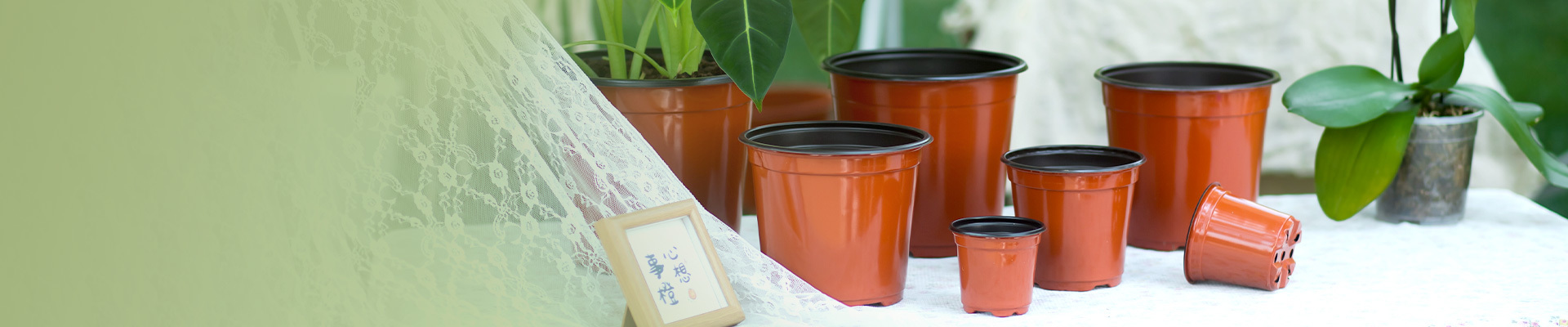
Moist Pots: The Secret to Healthy and Vibrant Indoor Gardens
Release time:
2026-03-06
Author:
Source:
Abstract
Moist Pots: The Secret to Healthy and Vibrant Indoor Gardens
Indoor gardening has seen a remarkable rise in popularity as people seek to bring nature into their homes. However, the secret to nurturing thriving indoor plants often lies in the type of pots used and their moisture management. Moist pots play a crucial role in creating the ideal environment for indoor plants to flourish. This article will delve into the significance of using moist pots, tips for maintaining optimal moisture levels, and how to select the right pots for your indoor garden.
Table of Contents
- Understanding Moist Pots for Indoor Gardening
- Benefits of Using Moist Pots
- Choosing the Right Moist Pot for Your Plants
- Finding Optimal Moisture Levels
- Moisture-Retaining Materials for Indoor Pots
- Common Plant Struggles and How Moist Pots Help
- Care and Maintenance of Moist Pots
- Frequently Asked Questions
- Conclusion
Understanding Moist Pots for Indoor Gardening
Moist pots are specifically designed to retain moisture, ensuring that your plants have consistent access to water. Unlike traditional pots that may dry out quickly, moist pots are equipped with features that promote water retention and drainage. This balance is essential for plant health, as both overwatering and underwatering can lead to issues such as root rot or wilting.
The Science Behind Moisture Retention
Understanding the science behind moisture retention helps in selecting the right pots for your indoor garden. Moisture-retaining pots are often made from materials that allow for adequate airflow while preventing excessive water loss. This is crucial because plants absorb moisture through their roots, and a consistent water supply is vital for their growth and vitality.
Benefits of Using Moist Pots
The advantages of using moist pots extend beyond simple water retention. They can significantly improve the overall health of your indoor plants.
Enhanced Plant Growth
Moist pots contribute to healthier root systems, which in turn leads to enhanced plant growth. When roots have access to a stable moisture level, they can absorb nutrients more effectively, resulting in robust and vibrant plants.
Reduced Frequency of Watering
With moist pots, the need for frequent watering is minimized. This not only saves you time but also allows for a more consistent level of moisture, reducing the chances of moisture-related problems such as fungal growth or mold.
Improved Air Circulation
Many moist pots feature designs that promote air circulation around the roots. This is important because healthy roots need oxygen to thrive, and proper airflow helps prevent issues associated with stagnant water.
Choosing the Right Moist Pot for Your Plants
Selecting the right pot is crucial for creating a flourishing indoor garden. Here are some factors to consider:
Material Matters
Moist pots come in various materials, including ceramic, plastic, and biodegradable options. Each material has its advantages:
- Ceramic: Offers excellent moisture retention and adds aesthetic appeal.
- Plastic: Lightweight and often comes with built-in drainage features.
- Biodegradable: Eco-friendly options that break down over time, promoting sustainability.
Size and Depth
The size of the pot can significantly impact moisture retention. Larger pots typically hold more soil, which can retain moisture longer. However, ensure that the pot size is proportionate to your plant. A pot that is too large may lead to overwatering issues.
Finding Optimal Moisture Levels
Understanding how to maintain optimal moisture levels is vital for indoor gardening success. Here are some tips to consider:
Soil Type Selection
Choosing the right soil mix is key to moisture retention. Look for potting mixes that contain moisture-retaining elements like peat moss or coconut coir. These materials help maintain the balance between retaining moisture and providing drainage.
Monitoring Moisture Levels
Utilizing moisture meters can help you monitor the water levels in your pots accurately. This will help you determine when to water your plants, ensuring they receive just the right amount of moisture.
Moisture-Retaining Materials for Indoor Pots
Incorporating moisture-retaining materials into your potting mix can significantly enhance the effectiveness of moist pots. Here are a few options worth considering:
Hydrogel Crystals
Hydrogel crystals are excellent for retaining moisture and releasing it slowly to the plant roots. When mixed with soil, they can extend the time between watering sessions.
Perlite and Vermiculite
These materials improve soil aeration and moisture retention. They can help maintain a balanced environment, ensuring that plants do not suffer from over or underwatering.
Common Plant Struggles and How Moist Pots Help
Indoor gardeners often face challenges that can hinder plant growth. Moist pots can help address some of these common issues:
Overwatering vs. Underwatering
Finding the balance between overwatering and underwatering is crucial. Moist pots help mitigate this struggle by maintaining consistent moisture levels.
Root Rot Prevention
By allowing for adequate drainage and retaining moisture, moist pots can prevent root rot, a common problem in indoor gardens. Healthy root systems are less prone to disease and stress.
Care and Maintenance of Moist Pots
Even with the benefits of moist pots, proper care and maintenance are essential for optimal performance.
Regular Cleaning
Cleaning your pots regularly will help prevent mold and algae buildup. A simple rinse with warm water and mild soap can keep the pots in good condition.
Replenishing Soil Nutrients
Over time, the nutrients in your potting mix may decline. Use organic fertilizers to replenish nutrients and support plant growth.
Frequently Asked Questions
1. How often should I water plants in moist pots?
The frequency of watering will depend on various factors, including plant type, pot size, and environmental conditions. Generally, check the moisture level and water when the top inch of soil feels dry.
2. Can I use regular pots with moisture-retaining soil?
Yes, you can use regular pots with moisture-retaining soil. However, monitor moisture levels closely to ensure that plants do not suffer from overwatering.
3. Are there specific plants that thrive in moist pots?
Many indoor plants, including ferns and peace lilies, thrive in moist conditions. Check the specific water needs of your plants to ensure they are well-suited for moist pots.
4. How do I know if my pot has adequate drainage?
Check for drainage holes at the bottom of your pot. If water does not drain out after watering, you may need to adjust your soil mix or pot selection.
5. Can I create my own moisture-retaining soil mix?
Yes! Combine potting soil with materials like peat moss, perlite, and hydrogel crystals to create a customized moisture-retaining mix tailored to your plants' needs.
Conclusion
In summary, moist pots are a game-changer for indoor gardening enthusiasts. By understanding the principles of moisture retention and selecting the right pots, you are setting the stage for a vibrant and healthy indoor garden. From enhanced plant growth to reduced watering frequency, the advantages are clear. As you cultivate your indoor oasis, remember to monitor moisture levels and maintain your pots for the best results. With the right care and attention, your indoor garden can thrive, bringing beauty and life to your home.
Key words:
Previous:
Recommended


