




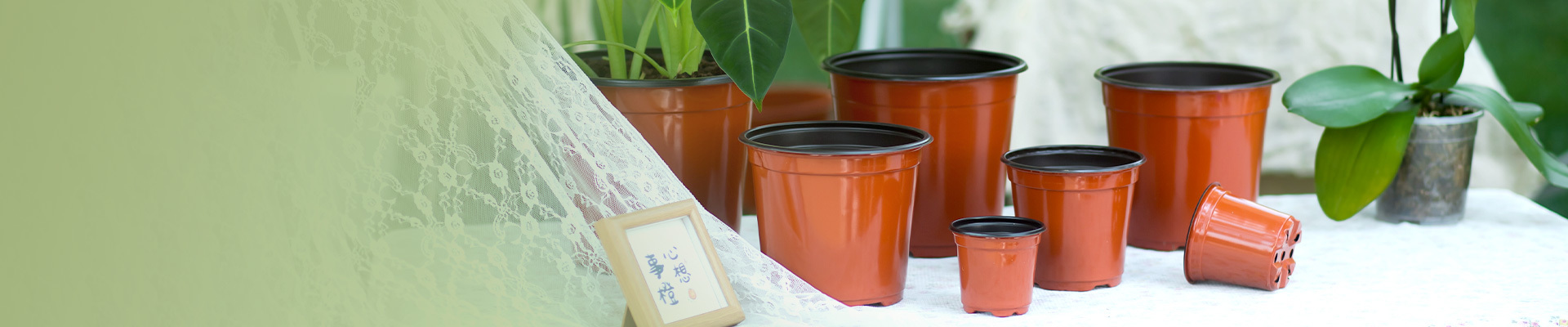
Understanding Hard Pots: A Comprehensive Guide for Professionals in Horticulture
Release time:
2026-01-13
Author:
Source:
Abstract
---
Hard pots, also known as rigid containers, are essential tools in the horticultural industry, particularly for professionals focused on planting, growing, and displaying a variety of plants. These containers are made from durable materials such as plastic, ceramic, or fiberglass, and offer several advantages over their softer counterparts. Understanding the characteristics and applications of
---
Hard pots, also known as rigid containers, are essential tools in the horticultural industry, particularly for professionals focused on planting, growing, and displaying a variety of plants. These containers are made from durable materials such as plastic, ceramic, or fiberglass, and offer several advantages over their softer counterparts. Understanding the characteristics and applications of hard pots can significantly enhance your gardening practices.
One of the primary benefits of hard pots is their durability. Unlike soft pots, which may degrade over time due to exposure to environmental factors, hard pots can withstand various weather conditions without losing their structural integrity. This makes them particularly suitable for long-term planting projects and outdoor use. Professionals often favor hard pots for planting trees, shrubs, and other larger specimens, as the solid structure provides stability and support.
Additionally, hard pots have superior insulation properties. The thicker walls of these containers help regulate soil temperature, protecting the roots from extreme heat or cold. This is particularly beneficial for plants that require consistent temperature conditions to thrive. Furthermore, the rigidity of hard pots allows for better drainage, reducing the risk of waterlogging and root rot, which can be detrimental to plant health.
When it comes to plant aesthetics, hard pots also excel. Available in various shapes, sizes, and colors, they can enhance the visual appeal of a garden or indoor space. Professionals can choose hard pots that complement their design schemes, making them not only functional but also a key element of landscape architecture.
However, it is important to consider the weight and handling of hard pots. Their solid construction often makes them heavier than soft pots, which can be a factor when arranging or moving them. It’s advisable to select hard pots that are manageable in size and weight relative to your planting needs. Additionally, when selecting a hard pot, ensure it has adequate drainage holes to promote healthy root systems.
In terms of maintenance, hard pots are relatively easy to clean and maintain. Regular cleaning can help prevent the build-up of algae or other substances that can affect plant health. For those concerned about aesthetic wear or climate effects, many hard pots can be painted or treated with coatings to enhance their longevity and appearance.
In summary, understanding the benefits and applications of hard pots is crucial for professionals in the horticulture industry. Their durability, insulation properties, and aesthetic appeal make them a staple in effective planting strategies. By incorporating hard pots into your gardening practices, you can foster healthier plants and create visually stunning environments that reflect your professional standards.
Hard pots, also known as rigid containers, are essential tools in the horticultural industry, particularly for professionals focused on planting, growing, and displaying a variety of plants. These containers are made from durable materials such as plastic, ceramic, or fiberglass, and offer several advantages over their softer counterparts. Understanding the characteristics and applications of hard pots can significantly enhance your gardening practices.
One of the primary benefits of hard pots is their durability. Unlike soft pots, which may degrade over time due to exposure to environmental factors, hard pots can withstand various weather conditions without losing their structural integrity. This makes them particularly suitable for long-term planting projects and outdoor use. Professionals often favor hard pots for planting trees, shrubs, and other larger specimens, as the solid structure provides stability and support.
Additionally, hard pots have superior insulation properties. The thicker walls of these containers help regulate soil temperature, protecting the roots from extreme heat or cold. This is particularly beneficial for plants that require consistent temperature conditions to thrive. Furthermore, the rigidity of hard pots allows for better drainage, reducing the risk of waterlogging and root rot, which can be detrimental to plant health.
When it comes to plant aesthetics, hard pots also excel. Available in various shapes, sizes, and colors, they can enhance the visual appeal of a garden or indoor space. Professionals can choose hard pots that complement their design schemes, making them not only functional but also a key element of landscape architecture.
However, it is important to consider the weight and handling of hard pots. Their solid construction often makes them heavier than soft pots, which can be a factor when arranging or moving them. It’s advisable to select hard pots that are manageable in size and weight relative to your planting needs. Additionally, when selecting a hard pot, ensure it has adequate drainage holes to promote healthy root systems.
In terms of maintenance, hard pots are relatively easy to clean and maintain. Regular cleaning can help prevent the build-up of algae or other substances that can affect plant health. For those concerned about aesthetic wear or climate effects, many hard pots can be painted or treated with coatings to enhance their longevity and appearance.
In summary, understanding the benefits and applications of hard pots is crucial for professionals in the horticulture industry. Their durability, insulation properties, and aesthetic appeal make them a staple in effective planting strategies. By incorporating hard pots into your gardening practices, you can foster healthier plants and create visually stunning environments that reflect your professional standards.
Recommended


