




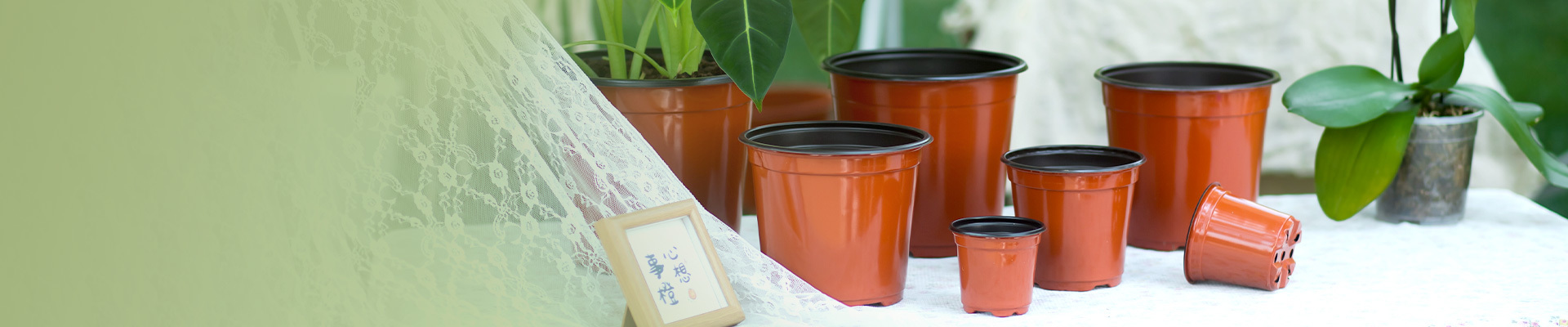
Innovative Planting Techniques Using Side Hole Pots: Transform Your Gardening Experience
Release time:
2026-02-22
Author:
Source:
Abstract
Innovative Planting Techniques Using Side Hole Pots
Introduction to Side Hole Pots
Gardening enthusiasts and professional horticulturists alike are constantly seeking innovative ways to optimize plant growth, conserve space, and improve yield. One such technique that has gained significant attention is the use of **side hole pots**. These uniquely designed containers allow for innovative planting
Innovative Planting Techniques Using Side Hole Pots
Introduction to Side Hole Pots
Gardening enthusiasts and professional horticulturists alike are constantly seeking innovative ways to optimize plant growth, conserve space, and improve yield. One such technique that has gained significant attention is the use of **side hole pots**. These uniquely designed containers allow for innovative planting techniques that can boost the health of your plants and maximize your gardening space.
Side hole pots feature drainage holes on the sides, enabling roots to grow outward and absorb nutrients and moisture from the surrounding soil. This method not only enhances root development but also encourages healthier, more robust plants. In this article, we will explore various techniques and benefits associated with using side hole pots in your gardening endeavors.
Benefits of Using Side Hole Pots
1. Enhanced Root Growth
One of the primary advantages of using side hole pots is the promotion of **enhanced root growth**. Traditional pots often limit root expansion, leading to root-bound plants. In contrast, side hole pots allow roots to escape and grow outward, accessing more nutrients and water. This results in stronger, healthier plants that are better equipped to thrive.
2. Space Optimization
For urban gardeners or those with limited space, side hole pots are a game-changer. These pots enable vertical gardening techniques, allowing you to cultivate multiple plants in a smaller area. By utilizing the sides of the pots, you can grow herbs, vegetables, and flowers more efficiently, making the most of your gardening space.
3. Improved Drainage and Aeration
Proper drainage and aeration are crucial for healthy plant growth. Side hole pots excel in this regard, as the additional drainage holes prevent waterlogging and promote airflow around the roots. This helps to reduce the risk of root rot and other diseases, ensuring that your plants receive the oxygen they need to flourish.
4. Versatility in Plant Selection
Side hole pots are incredibly versatile, accommodating a wide variety of plants. Whether you’re growing **herbs**, **vegetables**, or **ornamental flowers**, these pots can support diverse plant types. This adaptability allows you to experiment with different species and create a vibrant, thriving garden.
Innovative Planting Techniques Using Side Hole Pots
1. Vertical Gardening with Side Hole Pots
Vertical gardening is an effective way to maximize space, especially in urban environments. By stacking side hole pots vertically, you can create a stunning display of greenery. Here’s how to implement this technique:
- Select a sturdy base or frame to support the pots.
- Choose plants that thrive in vertical settings, such as **vining plants** or **compact herbs**.
- Fill the pots with a well-draining potting mix and strategically place your plants in the side holes.
- Ensure adequate sunlight reaches all levels of your vertical garden.
2. Companion Planting in Side Hole Pots
Companion planting involves growing different plants together for mutual benefits, such as pest control and improved growth. Side hole pots make it easy to implement this technique:
- Choose compatible plants, such as tomatoes and basil, or carrots and onions.
- Plant them in the side holes of the same pot, allowing their roots to intermingle.
- Monitor their growth and adjust watering based on the needs of both species.
3. Hydroponic Techniques Using Side Hole Pots
For those interested in hydroponics, side hole pots can be adapted for soilless gardening. Here’s how to do it:
- Set up a hydroponic system that delivers nutrient-rich water to your plants.
- Place side hole pots filled with a hydroponic growing medium, such as clay pellets.
- Monitor water levels and nutrient concentration to ensure optimal plant growth.
4. Succession Planting with Side Hole Pots
Succession planting is a strategy that allows gardeners to maximize harvest throughout the growing season. Side hole pots make this technique straightforward:
- Plant fast-growing crops, such as lettuce or radishes, in the side holes of the pot.
- Once they are harvested, replace them with slower-growing plants, like tomatoes or peppers.
- This ensures continuous production and efficient use of growing space.
Choosing the Right Side Hole Pots
When selecting side hole pots for your gardening needs, consider the following factors:
1. Material
Side hole pots come in various materials, including plastic, ceramic, and biodegradable options. Each material has its pros and cons regarding durability, weight, and environmental impact. Opt for materials that best suit your gardening style and preferences.
2. Size
The size of the pot will significantly influence plant growth. Larger pots provide ample space for root development, while smaller pots are suitable for herbs and compact plants. Choose sizes that align with the specific plants you plan to grow.
3. Drainage Features
While side hole pots are designed to provide drainage, ensure that the overall design promotes water flow. Look for pots with sufficient side holes and base drainage to prevent water accumulation.
4. Aesthetic Appeal
Consider the visual aspect of your pots as well. Choose colors and designs that complement your garden’s aesthetic, adding to its overall beauty.
Expert Tips for Successful Planting with Side Hole Pots
1. Regularly Monitor Moisture Levels
Given the unique nature of side hole pots, it’s essential to regularly check moisture levels. Ensure that the soil remains adequately moist but not waterlogged. Consistent watering will promote healthy root growth and overall plant vitality.
2. Fertilize Wisely
Fertilization is crucial for strong plant growth. Use a balanced fertilizer, infusing it into the soil at planting and applying it throughout the growing season. This will provide essential nutrients for your plants.
3. Prune for Optimal Growth
Regular pruning encourages healthy growth and prevents overcrowding. Remove dead or yellowing leaves to allow more sunlight to reach the remaining foliage and encourage robust growth.
4. Experiment with Plant Combinations
Don’t hesitate to experiment with different plant combinations in your side hole pots. Discovering what works best for your garden can lead to unexpected successes and a more vibrant garden.
Common Challenges and Solutions
1. Root Rot
Root rot is a common issue in container gardening. To prevent this, choose well-draining soil and avoid overwatering. Additionally, ensure that your side holes are functioning correctly to promote drainage.
2. Pests and Diseases
Monitor your plants for signs of pests or diseases. Implement organic pest control methods, such as neem oil or insecticidal soap, to keep your plants healthy.
3. Nutrient Deficiency
Signs of nutrient deficiency include yellowing leaves and stunted growth. Regularly fertilize your plants and consider using soil tests to determine nutrient levels.
FAQs About Side Hole Pots
1. What types of plants are best suited for side hole pots?
Side hole pots are versatile and can accommodate a variety of plants, including herbs, vegetables, and ornamental flowers. Good choices include tomatoes, basil, and strawberries.
2. How do I care for plants in side hole pots?
Care involves regular watering, monitoring for pests, pruning, and fertilizing. Ensure the soil remains moist but not overly saturated.
3. Can I use side hole pots for hydroponics?
Yes, side hole pots can be adapted for hydroponic systems by using a soilless growing medium and a nutrient-rich water system.
4. How do I prevent root rot in side hole pots?
Prevent root rot by using well-draining soil, ensuring adequate drainage through side holes, and avoiding overwatering.
5. Can I use side hole pots for vertical gardening?
Absolutely! Side hole pots are ideal for vertical gardening techniques, allowing you to maximize space and create a stunning display.
Conclusion
Innovative planting techniques using **side hole pots** offer numerous advantages, from enhanced root growth to improved space optimization. By exploring various methods and strategies outlined in this guide, gardeners can maximize their potential for a thriving garden. Embrace these innovative techniques and transform your gardening experience today. With careful planning, experimentation, and proper care, side hole pots can help you cultivate a vibrant and bountiful garden that thrives throughout the seasons.
Recommended


