




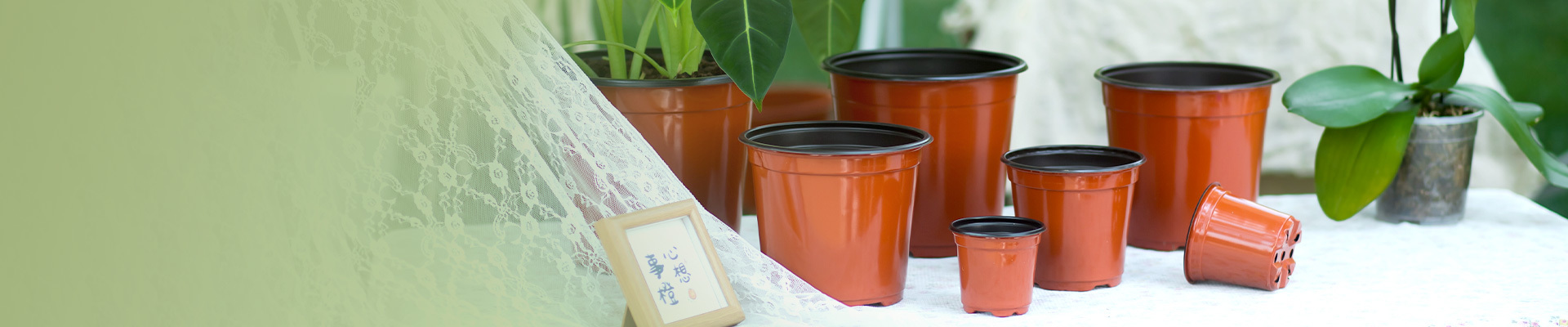
Gardening Made Easy: The Advantages of Side Hole Pots
Release time:
2026-02-16
Author:
Source:
Abstract
Gardening Made Easy: The Advantages of Side Hole Pots
As gardening enthusiasts, we often seek innovative ways to enhance our gardening experience while ensuring our plants thrive. Among the various tools and equipment available, side hole pots have garnered attention for their unique design and myriad benefits. In this comprehensive guide, we will delve into the advantages of side hole pots, explore their applications, and provide detailed tips to maximize their potential for your gardening projects.
Table of Contents
- What Are Side Hole Pots?
- Benefits of Side Hole Pots
- How to Use Side Hole Pots Effectively
- Side Hole Pots vs. Traditional Pots
- Popular Plants to Grow in Side Hole Pots
- Conclusion
- FAQs
What Are Side Hole Pots?
Side hole pots, also known as perforated pots or multi-directional pots, are gardening containers designed with drainage holes strategically located on the sides in addition to the bottom. This innovative design allows excess water to escape from multiple points, promoting a healthier environment for plants. The unique structure of side hole pots facilitates air circulation, which is crucial for robust root development.
Benefits of Side Hole Pots
Enhanced Drainage
One of the most significant advantages of using side hole pots is their enhanced drainage capabilities. Traditional pots often struggle with water pooling at the bottom, leading to root rot and other moisture-related issues. With side hole pots, water can escape through multiple openings, ensuring that the soil remains aerated and well-drained. This is particularly beneficial for plants that prefer drier conditions, as it minimizes the risk of overwatering.
Improved Root Growth
The design of side hole pots encourages healthy root growth by allowing roots to penetrate the sides of the container. This not only provides more space for the plants to grow but also promotes a more extensive root system. A robust root network enhances nutrient absorption and water uptake, leading to healthier and more resilient plants. Additionally, side hole pots can help prevent root circling, which can inhibit plant growth.
Space-Saving Advantages
For urban gardeners or those with limited space, side hole pots offer space-saving advantages. The ability to plant multiple species in one pot allows gardeners to maximize their planting area. The vertical nature of these pots makes them ideal for small gardens, balconies, or patios where traditional pots may occupy too much horizontal space.
Aesthetic Appeal
Aside from their functional benefits, side hole pots also boast an aesthetic appeal that can enhance any garden setting. Available in various materials, colors, and designs, these pots can complement your landscaping and add a unique touch to your garden decor. Their innovative look can serve as a conversation starter among gardening enthusiasts.
How to Use Side Hole Pots Effectively
Planting Tips
To get the most out of your side hole pots, follow these planting tips:
- Choose the Right Soil: Use a well-draining potting mix that can retain some moisture without becoming soggy.
- Placement: Position your side hole pots in a location that receives adequate sunlight for your chosen plants.
- Plant Selection: Consider plants that thrive in containers and benefit from good drainage, such as succulents and herbs.
Watering Techniques
Effective watering techniques are crucial for the success of your side hole pots:
- Watering Frequency: Monitor the moisture level of the soil and adjust your watering frequency based on the plant's needs and environmental conditions.
- Watering Method: Water directly into the pot, allowing water to flow from the side holes to ensure thorough hydration.
Side Hole Pots vs. Traditional Pots
When comparing side hole pots to traditional pots, the differences become strikingly clear. Traditional pots often limit water drainage to the bottom, leading to potential overwatering issues, while side hole pots alleviate these concerns with their multi-drainage design. Furthermore, side hole pots promote healthier root systems, resulting in more vigorous plant growth. For gardeners seeking to maximize their gardening success, side hole pots offer a superior alternative to conventional containers.
Popular Plants to Grow in Side Hole Pots
Side hole pots are versatile and can accommodate a wide variety of plants. Some popular choices include:
- Herbs: Basil, parsley, and mint thrive in the well-drained conditions of side hole pots.
- Succulents: These drought-resistant plants flourish with the enhanced aeration and drainage.
- Flowers: Marigolds and petunias can add vibrant colors to your garden, doing well in side hole pots.
Conclusion
Incorporating side hole pots into your gardening routine can significantly enhance your planting success. With benefits such as improved drainage, healthier root growth, and aesthetic appeal, these innovative pots are an excellent choice for gardeners of all skill levels. By using effective planting and watering techniques, you can create a thriving garden that showcases your creativity and dedication to gardening. Embrace the advantages of side hole pots today and watch your garden flourish!
FAQs
1. What materials are side hole pots made from?
Side hole pots can be made from various materials such as plastic, ceramic, and metal. Each material has its pros and cons regarding durability, weight, and aesthetics.
2. Can I use side hole pots for vegetables?
Absolutely! Side hole pots are ideal for growing vegetables, as their design promotes healthy root systems and prevents overwatering.
3. How often should I water plants in side hole pots?
Watering frequency depends on the plant species and environmental conditions. It's best to check the soil moisture before watering to avoid overwatering.
4. Are side hole pots suitable for indoor plants?
Yes, side hole pots can be used for indoor plants, but it’s essential to choose plants that can adapt to indoor conditions.
5. Do side hole pots need additional drainage layers?
While side hole pots have excellent drainage, adding a layer of small stones or gravel at the bottom can further enhance drainage and prevent soil clogging.
Recommended


