




The Benefits and Uses of Hard Pots in Gardening
Release time:
2026-01-07
Author:
Source:
Abstract
When it comes to gardening and planting, the choice of containers can significantly impact plant health and growth. Hard pots, commonly made from materials like plastic, ceramic, or metal, offer a range of benefits that make them a popular choice among gardeners and horticulturists. Below, we explore the key features and advantages of hard pots, as well as their applications in various gardening s
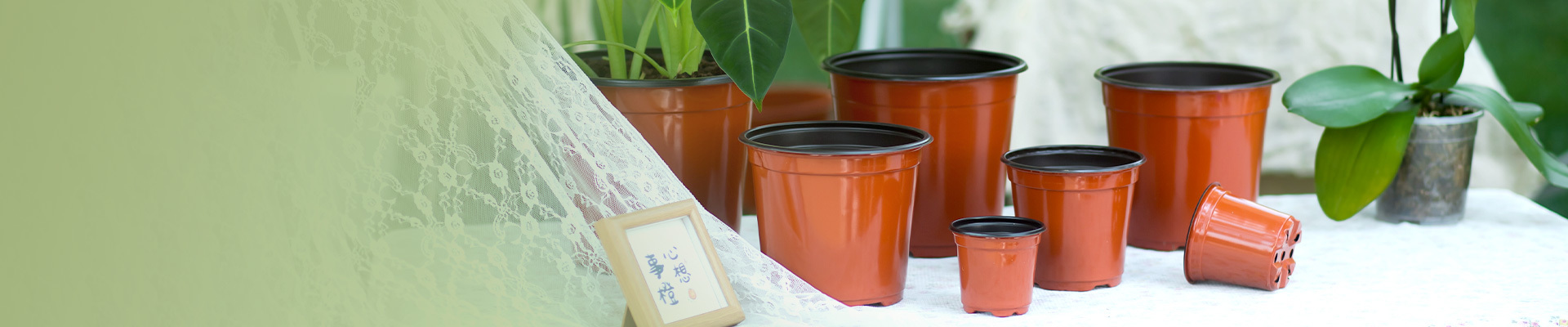
When it comes to gardening and planting, the choice of containers can significantly impact plant health and growth. Hard pots, commonly made from materials like plastic, ceramic, or metal, offer a range of benefits that make them a popular choice among gardeners and horticulturists. Below, we explore the key features and advantages of hard pots, as well as their applications in various gardening scenarios.
**Durability and Longevity**
One of the standout characteristics of hard pots is their durability. Unlike soft or flexible containers, hard pots are built to withstand environmental stresses such as UV exposure, temperature fluctuations, and physical impacts. This durability means that hard pots can last for several growing seasons without degrading, making them a cost-effective solution for gardeners looking for longevity in their gardening tools.
**Versatility in Design**
Hard pots come in various shapes, sizes, and designs, allowing gardeners to choose containers that best fit their aesthetic preferences and the specific needs of their plants. From sleek modern designs to traditional terracotta styles, hard pots cater to diverse gardening aesthetics. Additionally, their rigid structure allows for intricate designs that can enhance the overall look of a garden or patio.
**Temperature Regulation**
Another significant advantage of hard pots is their ability to regulate soil temperature. The solid material of these pots provides insulation, protecting plant roots from extreme temperature changes. This is particularly beneficial in regions with harsh climates, where sudden temperature drops or heat waves can stress plants. By maintaining a more stable soil temperature, hard pots can contribute to healthier root systems and improved plant growth.
**Water Management**
Hard pots often have better drainage capabilities compared to softer containers. Many designs include drainage holes that facilitate excess water runoff, reducing the risk of root rot and other water-related issues. Proper drainage is essential for plant health, as it prevents water from pooling at the bottom of the container, which can lead to anaerobic conditions that harm root development.
**Reusability and Eco-Friendliness**
In an age where sustainability is a growing concern, hard pots stand out as an environmentally friendly option. Their durability allows for multiple uses over the years, reducing the need for frequent replacements. Additionally, many hard pots are made from recyclable materials, further minimizing their ecological footprint.
**Conclusion**
In summary, hard pots are an excellent choice for gardeners seeking durable, versatile, and effective planting containers. Their ability to regulate temperature, manage water efficiently, and offer aesthetic variety makes them suitable for a wide range of gardening applications. Whether you are an amateur gardener or a seasoned horticulturist, incorporating hard pots into your gardening toolkit can enhance your planting experience and promote healthier plants.
**Durability and Longevity**
One of the standout characteristics of hard pots is their durability. Unlike soft or flexible containers, hard pots are built to withstand environmental stresses such as UV exposure, temperature fluctuations, and physical impacts. This durability means that hard pots can last for several growing seasons without degrading, making them a cost-effective solution for gardeners looking for longevity in their gardening tools.
**Versatility in Design**
Hard pots come in various shapes, sizes, and designs, allowing gardeners to choose containers that best fit their aesthetic preferences and the specific needs of their plants. From sleek modern designs to traditional terracotta styles, hard pots cater to diverse gardening aesthetics. Additionally, their rigid structure allows for intricate designs that can enhance the overall look of a garden or patio.
**Temperature Regulation**
Another significant advantage of hard pots is their ability to regulate soil temperature. The solid material of these pots provides insulation, protecting plant roots from extreme temperature changes. This is particularly beneficial in regions with harsh climates, where sudden temperature drops or heat waves can stress plants. By maintaining a more stable soil temperature, hard pots can contribute to healthier root systems and improved plant growth.
**Water Management**
Hard pots often have better drainage capabilities compared to softer containers. Many designs include drainage holes that facilitate excess water runoff, reducing the risk of root rot and other water-related issues. Proper drainage is essential for plant health, as it prevents water from pooling at the bottom of the container, which can lead to anaerobic conditions that harm root development.
**Reusability and Eco-Friendliness**
In an age where sustainability is a growing concern, hard pots stand out as an environmentally friendly option. Their durability allows for multiple uses over the years, reducing the need for frequent replacements. Additionally, many hard pots are made from recyclable materials, further minimizing their ecological footprint.
**Conclusion**
In summary, hard pots are an excellent choice for gardeners seeking durable, versatile, and effective planting containers. Their ability to regulate temperature, manage water efficiently, and offer aesthetic variety makes them suitable for a wide range of gardening applications. Whether you are an amateur gardener or a seasoned horticulturist, incorporating hard pots into your gardening toolkit can enhance your planting experience and promote healthier plants.
Recommended


