




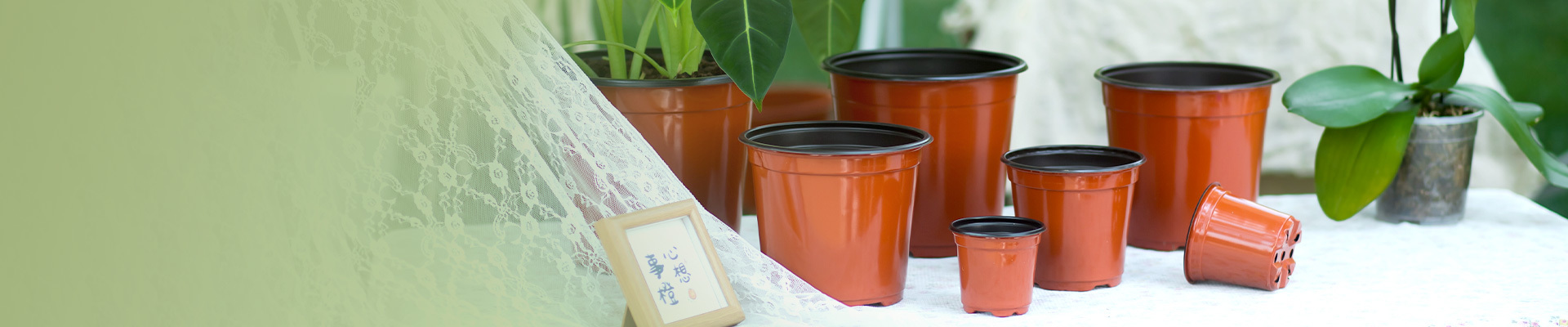
Transform Your Seed Starting Experience with Square Pot Trays
Release time:
2025-02-15
Author:
Source:
Abstract
How Square Pot Trays Can Transform Your Seed Starting Experience
Table of Contents
Introduction to Square Pot Trays
Benefits of Using Square Pot Trays
Design Features of Square Pot Trays
Effective Seed Starting Techniques
Caring for Your Seedlings in Square Pot Trays
Troubleshooting Common Issues
The Sustainable Choice: Square Pot Trays
Conclusion
FAQs About Square Pot Trays
In
How Square Pot Trays Can Transform Your Seed Starting Experience
Table of Contents
- Introduction to Square Pot Trays
- Benefits of Using Square Pot Trays
- Design Features of Square Pot Trays
- Effective Seed Starting Techniques
- Caring for Your Seedlings in Square Pot Trays
- Troubleshooting Common Issues
- The Sustainable Choice: Square Pot Trays
- Conclusion
- FAQs About Square Pot Trays
Introduction to Square Pot Trays
Seed starting can be a rewarding and fulfilling gardening activity, but achieving optimal germination and growth requires the right tools. **Square pot trays** have emerged as a popular choice among gardening enthusiasts, and for good reason. These trays not only maximize space efficiency but also provide an ideal environment for seedling development. In this article, we will delve into how square pot trays can significantly enhance your seed starting experience.
Benefits of Using Square Pot Trays
Using square pot trays for seed starting offers numerous advantages over traditional round pots. Below are some specific benefits that make square trays a go-to option for many gardeners.
1. Space Efficiency
Square pot trays allow for better utilization of space compared to round pots. The straight edges of the square design enable gardeners to fit more trays into a given area, making them perfect for those who have limited gardening space. This is particularly advantageous for urban gardeners or those with small backyards.
2. Improved Air Circulation
One important aspect of seedling health is air circulation. Square pot trays enhance airflow around each seedling, minimizing the risk of mold and mildew. Proper ventilation promotes healthier growth, ensuring that your plants thrive from the very start.
3. Increased Accessibility
The uniform shape of square pot trays makes them easier to handle and move around. This can be particularly beneficial when you need to adjust your seedling setup or relocate your trays to gain better sunlight exposure.
4. Better Root Development
Square pots often come with features that encourage optimal root growth. Their design can help prevent roots from circling, which is a common issue in round pots. With square pot trays, you can expect healthier root systems that support vigorous plant growth.
Design Features of Square Pot Trays
When considering square pot trays, it's important to understand the various design features that can impact your seed starting success.
1. Material Choices
Square pot trays are available in a variety of materials, including plastic, biodegradable options, and even fabric. Each material has its advantages; for instance, biodegradable trays are excellent for those looking to minimize their environmental impact, while traditional plastic trays offer durability and reusability.
2. Size Options
Square trays come in an assortment of sizes, allowing you to select the perfect fit for your specific plants. Smaller trays are ideal for starting herbs and flowers, while larger trays can accommodate bigger plants like tomatoes and peppers.
3. Drainage Features
Good drainage is crucial for seedling health. Many square pot trays come equipped with drainage holes at the bottom, helping to prevent waterlogging and root rot. Some trays even include a detachable base to catch excess water, ensuring a clean and organized setup.
4. Cell Configuration
Square pot trays often have multiple cells per tray, which can be customized to suit your needs. Some trays have larger cells for bigger seedlings, while others have smaller cells for tiny seeds. This flexibility allows you to optimize your planting strategy.
Effective Seed Starting Techniques
Successfully starting seeds in square pot trays requires a combination of proper techniques and best practices.
1. Choosing the Right Soil
The right soil is critical for seed starting. Select a high-quality seed starting mix that offers excellent drainage and aeration. Avoid using garden soil, as it can be too dense and may contain pathogens that harm seedlings.
2. Timing Your Planting
Understanding the right time to start your seeds is key. Consult planting calendars and consider your local climate. Starting seeds indoors at the appropriate time allows for transplanted seedlings to thrive once the outdoor conditions are favorable.
3. Sowing Seeds
When sowing seeds, take care to follow the recommended depth and spacing guidelines. Overcrowding can lead to competition among seedlings, resulting in stunted growth.
4. Watering Techniques
Proper watering is vital for seedling health. Use a spray bottle or a gentle watering can to moisten the soil without oversaturating it. Regularly check the moisture level to ensure that the soil remains consistently damp but not soggy.
Caring for Your Seedlings in Square Pot Trays
Once your seeds have germinated, ongoing care is essential for robust growth.
1. Light Requirements
Providing adequate light is crucial for seedlings. Place your square pot trays in a location that receives ample sunlight, or invest in grow lights if necessary. Seedlings typically require 12-16 hours of light each day.
2. Fertilization
As seedlings grow, they may benefit from additional nutrients. Use a diluted liquid fertilizer to provide essential nutrients, particularly after the first set of true leaves has developed.
3. Thinning Seedlings
In cases where multiple seeds have successfully germinated in a single cell, thinning is necessary to prevent overcrowding. Carefully remove the weaker seedlings to ensure that the strongest ones receive adequate space and resources to grow.
4. Transplanting
When seedlings reach a certain size and have developed their second set of true leaves, they may be ready for transplanting. Be gentle during this process to minimize root disturbance and shock.
Troubleshooting Common Issues
Even seasoned gardeners encounter challenges when starting seeds. Here are some common problems and their solutions.
1. Leggy Seedlings
If your seedlings appear tall and spindly, it may be due to insufficient light. Ensure that they receive adequate light to promote sturdy, compact growth.
2. Overwatering
Excessive moisture can lead to root rot. Make sure your square pot trays have proper drainage and always check soil moisture before watering.
3. Pests and Diseases
Keep an eye out for pests such as aphids and whiteflies. Regularly inspect your seedlings and take appropriate measures to control any infestations using insecticidal soap or neem oil.
The Sustainable Choice: Square Pot Trays
As gardening continues to evolve, sustainability has become a top priority for many. Square pot trays can contribute to sustainable practices in various ways.
1. Biodegradable Options
Many manufacturers now offer biodegradable square pot trays made from sustainable materials. These trays break down over time, reducing plastic waste in landfills.
2. Reusability
Traditional plastic square pot trays are durable and can be reused season after season, making them a cost-effective and environmentally friendly choice.
3. Efficient Space Usage
By maximizing space and allowing for more plants to thrive per square foot, square pot trays can enhance your gardening yield while minimizing environmental impact.
Conclusion
In conclusion, square pot trays can significantly transform your seed starting experience by offering efficiency, accessibility, and healthier plant growth. By adopting the techniques and best practices outlined in this article, you can ensure that your seedlings have the best possible start in life. Whether you're a beginner or an experienced gardener, investing in square pot trays will undoubtedly enhance your gardening journey.
FAQs About Square Pot Trays
1. What is the best material for square pot trays?
The best material depends on your needs. Plastic trays are durable and reusable, while biodegradable trays are eco-friendly options for sustainable gardening.
2. How often should I water seedlings in square pot trays?
Watering frequency varies based on environmental conditions. Check the moisture level daily and water when the top inch of soil feels dry.
3. Can I use square pot trays for outdoor planting?
Yes, square pot trays are excellent for starting seeds indoors, which can then be transplanted outdoors once the seedlings are ready.
4. How do I prevent root circling in square pot trays?
Choose trays with appropriate cell sizes for your seedlings, and transplant at the right time to avoid roots becoming bound.
5. Are square pot trays suitable for all types of seeds?
Yes, square pot trays can accommodate a variety of seeds, from small herbs to larger vegetables. Just ensure you select the right size and cell configuration for your specific seeds.
Recommended


