




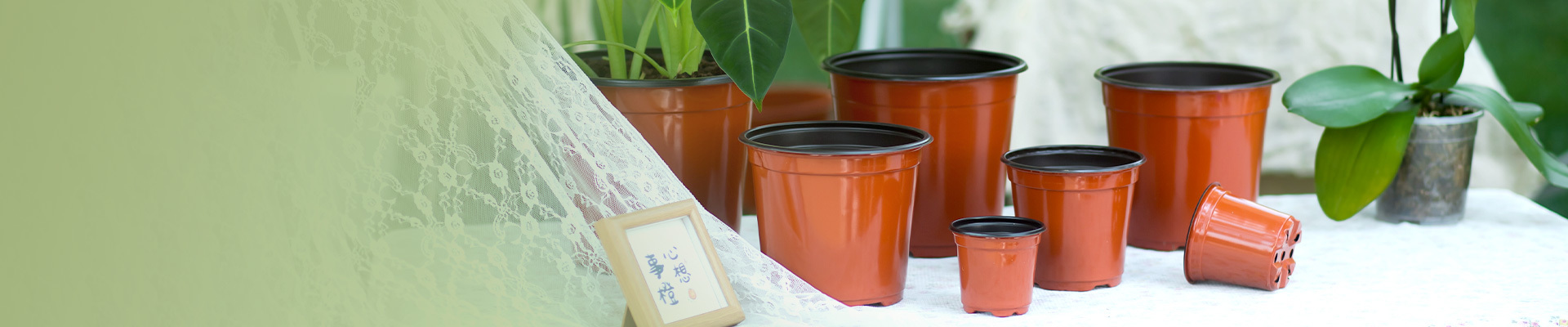
Maximize Your Garden's Potential with Square Seedling Pots: The Ultimate Guide
Release time:
2025-01-26
Author:
Source:
Abstract
Maximize Your Garden's Potential with Square Seedling Pots
Table of Contents
Introduction to Square Seedling Pots
Benefits of Using Square Seedling Pots
Design and Features of Square Seedling Pots
Types of Square Seedling Pots
Choosing the Right Square Seedling Pots for Your Garden
Planting Techniques with Square Seedling Pots
Caring for Your Seedlings in Square Pots
Maximize Your Garden's Potential with Square Seedling Pots
Table of Contents
- Introduction to Square Seedling Pots
- Benefits of Using Square Seedling Pots
- Design and Features of Square Seedling Pots
- Types of Square Seedling Pots
- Choosing the Right Square Seedling Pots for Your Garden
- Planting Techniques with Square Seedling Pots
- Caring for Your Seedlings in Square Pots
- Common Issues and Troubleshooting
- Conclusion
- Frequently Asked Questions
Introduction to Square Seedling Pots
In the quest for a flourishing garden, the choice of planting containers significantly impacts plant health and growth. **Square seedling pots** have emerged as a favored option among gardeners due to their efficient design and practicality. Unlike traditional round pots, square pots capitalize on space and resource efficiency, making them ideal for both novice and experienced gardeners. In this guide, we delve into the benefits, types, and planting techniques associated with square seedling pots, enabling you to maximize your garden's potential.
Benefits of Using Square Seedling Pots
Understanding the advantages of square seedling pots can enhance your gardening experience immensely. Here are some key benefits:
1. Space Efficiency
Square seedling pots allow for optimal space utilization, whether you are planting on a patio, balcony, or garden bed. Their shape enables plants to be arranged closer together, maximizing the use of available area. This is especially beneficial for urban gardening or limited spaces.
2. Improved Air Circulation
The design of square pots promotes better airflow around the roots. Enhanced air circulation reduces the risk of root rot and promotes healthier plant growth.
3. Root Development
Square seedling pots can encourage more robust root systems. The corners of the pot stimulate root growth outward, allowing plants to access nutrients and water more efficiently.
4. Easy to Handle
Square pots are often easier to stack and transport than their round counterparts. This feature simplifies planting and rearranging in your garden.
Design and Features of Square Seedling Pots
Square seedling pots come in various designs, materials, and sizes. Understanding these features can help you select the best pots for your gardening needs.
Material Choices
- **Plastic**: Lightweight and durable, plastic pots are often affordable and available in various colors and sizes. They are easy to clean and can last for several seasons.
- **Biodegradable**: Made from natural materials, these pots decompose over time, enriching the soil. They are environmentally friendly and ideal for organic gardening.
- **Terracotta**: Known for their classic look, terracotta pots are porous, allowing moisture to evaporate, which can help prevent overwatering.
Drainage Features
Proper drainage is critical for healthy plant growth. Look for square seedling pots with drainage holes at the bottom to prevent water accumulation and root rot. Some pots come with built-in saucers to collect excess water, making them easier to manage.
Types of Square Seedling Pots
When selecting square seedling pots, consider the various types available:
1. Standard Seedling Pots
These are the most common type of square pots, designed for general use. They come in various sizes and are suitable for a wide range of seedlings.
2. Deep Seedling Pots
Ideal for plants with deep root systems, such as tomatoes and peppers, these pots provide additional depth to accommodate robust growth.
3. Cell Tray Seedling Pots
These trays feature multiple small square compartments, making them perfect for starting several seedlings simultaneously. They are particularly useful for cultivating herbs and flowers.
4. Reusable Seedling Pots
These pots are made from durable materials that can withstand multiple growing seasons. They are an excellent investment for frequent gardeners.
Choosing the Right Square Seedling Pots for Your Garden
Selecting the appropriate square seedling pots involves considering several factors:
1. Size
Choose pot sizes based on the types of plants you intend to grow. Smaller seedlings may thrive in 2-4 inch pots, while larger plants might require 6-8 inch pots.
2. Material
Consider the climate and your gardening style. If you live in a hot, dry area, opt for pots that retain moisture. Conversely, in cooler climates, lightweight plastic pots may be more suitable.
3. Drainage
Ensure the pots have adequate drainage. If you are using pots without drainage holes, monitor your watering closely to avoid overwatering.
Planting Techniques with Square Seedling Pots
Once you've selected the right square seedling pots, it's time to get planting. Here are some effective techniques:
1. Preparing the Soil
Start with high-quality potting soil that is well-aerated and drains well. Mixing in organic compost can provide essential nutrients for your seedlings.
2. Filling the Pots
Fill each square pot with soil, leaving about an inch of space at the top. This space allows for watering without overflow.
3. Planting Seeds or Seedlings
Plant seeds according to the package instructions, or transplant seedlings carefully, ensuring you do not damage the roots. Space seeds appropriately to avoid overcrowding.
4. Watering Techniques
Water your seedlings gently after planting. Use a spray bottle or a watering can with a fine spout to avoid displacing the seeds.
Caring for Your Seedlings in Square Pots
Proper care ensures your seedlings thrive. Here are some essential tips:
1. Light Requirements
Position your square seedling pots in a location where they receive adequate sunlight. Most seedlings require at least 6-8 hours of light daily.
2. Regular Watering
Check the moisture level in your pots regularly. Water when the top inch of soil feels dry, ensuring not to let the pots dry out completely.
3. Fertilization
Fertilize your seedlings with a diluted, balanced fertilizer every couple of weeks to promote healthy growth.
4. Monitoring Growth
Observe your seedlings for signs of stress, such as yellowing leaves or stunted growth. Address any issues promptly to ensure successful gardening.
Common Issues and Troubleshooting
Gardening is not without its challenges. Here are some common issues you may encounter with square seedling pots and how to resolve them:
1. Root Bound Plants
If seedlings become root-bound, consider transplanting them into larger pots. This will provide more room for growth and nutrient absorption.
2. Overwatering
Ensure proper drainage to avoid root rot. If you notice yellowing leaves, reduce watering frequency and check for drainage issues.
3. Pests and Diseases
Keep an eye out for common pests like aphids and spider mites. Use organic pest control methods to manage infestations effectively.
Conclusion
Incorporating **square seedling pots** into your gardening practice can significantly enhance your planting experience. Their efficient design, practical features, and versatility make them an excellent choice for growing a variety of plants. By understanding the benefits, selecting the right types, and employing effective planting and care techniques, you can create a thriving garden that maximizes its potential. Whether you are a novice or a seasoned gardener, embracing square seedling pots could be the key to unlocking your garden's full capabilities.
Frequently Asked Questions
1. What size square seedling pot should I use for herbs?
For herbs, 4-6 inch square pots are typically ideal, providing enough space for roots to develop without overcrowding.
2. Can I use square seedling pots for outdoor plants?
Absolutely! Square seedling pots work well for both indoor and outdoor planting, provided they have adequate drainage.
3. How often should I fertilize seedlings in square pots?
Fertilizing every two weeks with a balanced, diluted fertilizer is recommended for healthy seedling growth.
4. Are biodegradable square seedling pots effective?
Yes, biodegradable pots are effective and environmentally friendly. They decompose over time, enriching the soil.
5. How can I prevent my seedlings from becoming root-bound?
Regularly check your seedlings and transplant them to larger pots when you see roots growing out of the drainage holes. This helps them continue to thrive.
Recommended


