




Choosing the Right Round Planting Pots for Your Vegetable Garden: A Comprehensive Guide
Release time:
2025-01-08
Author:
Source:
Abstract
Choosing the Right Round Planting Pots for Your Vegetable Garden
Table of Contents
1. Understanding the Importance of Choosing the Right Planting Pots
2. Benefits of Round Planting Pots for Vegetables
3. Different Materials for Round Planting Pots
3.1 Plastic Pots
3.2 Clay and Terracotta Pots
3.3 Metal Pots
&nb
Choosing the Right Round Planting Pots for Your Vegetable Garden
Table of Contents
1. Understanding the Importance of Choosing the Right Planting Pots
2. Benefits of Round Planting Pots for Vegetables
3. Different Materials for Round Planting Pots
3.1 Plastic Pots
3.2 Clay and Terracotta Pots
3.3 Metal Pots
3.4 Biodegradable Pots
4. Size Matters: Choosing the Right Size for Your Plants
5. Drainage: Why It’s Crucial for Plant Health
6. Location, Location, Location: Where to Place Your Pots
7. Maintaining Your Round Planting Pots
8. Frequently Asked Questions (FAQs)
9. Conclusion
1. Understanding the Importance of Choosing the Right Planting Pots
When embarking on a vegetable gardening adventure, selecting the **right planting pots** is crucial for the success of your plants. The containers you choose not only impact the growth rate of your vegetables but also influence their overall health. Understanding the specific needs of your plants is the first step in making informed decisions about your gardening journey.
2. Benefits of Round Planting Pots for Vegetables
Round planting pots are particularly popular among gardeners due to their unique benefits. Their symmetrical shape enables uniform growth and allows for even distribution of roots. Additionally, round pots offer better drainage and are often easier to move around, making them ideal for small spaces or patios. Their aesthetic appeal adds to the overall beauty of your garden, enhancing your outdoor space.
3. Different Materials for Round Planting Pots
The material of your round planting pots can significantly influence factors such as **heat retention**, **moisture control**, and **drainage capabilities**. Here, we explore various materials commonly used for round planting pots.
3.1 Plastic Pots
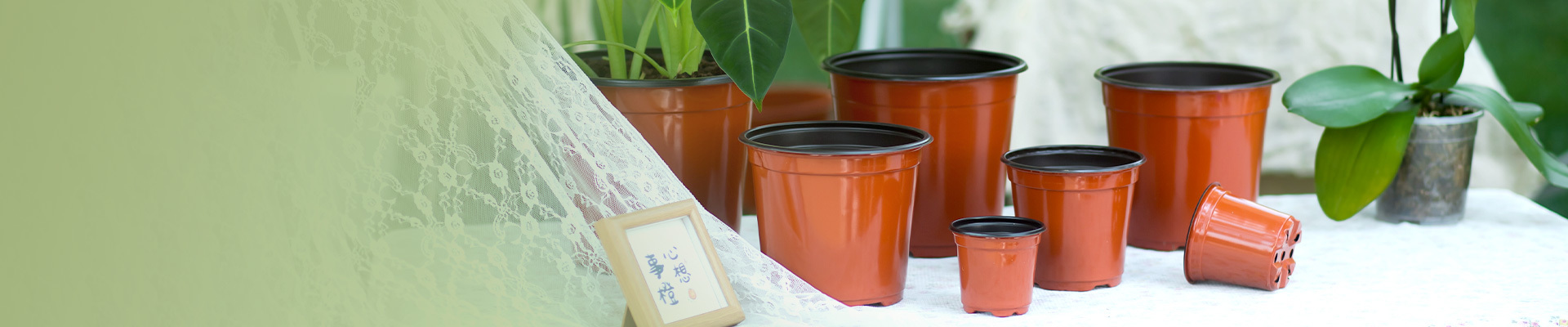
Plastic pots are lightweight and available in various sizes and colors. They retain moisture well, which is beneficial for plants that require consistent watering. However, they may not provide the best insulation for roots, leading to temperature fluctuations. It’s essential to choose high-quality, UV-resistant plastic pots to ensure longevity.
3.2 Clay and Terracotta Pots
Clay and terracotta pots are favored for their natural aesthetic and breathability. These materials allow for excellent air circulation, promoting healthy root growth. However, clay pots tend to dry out quickly, necessitating more frequent watering. Consider using them for plants that prefer drier conditions or that thrive in well-draining environments.
3.3 Metal Pots
Metal pots, such as galvanized steel or copper, can add a modern touch to your garden. They are durable and often come with excellent drainage options. However, metal can heat up quickly in direct sunlight, potentially harming the root systems of sensitive plants. It’s advisable to line metal pots with insulation or choose those that are powder-coated for added protection.
3.4 Biodegradable Pots
Biodegradable pots, made from materials like peat or recycled paper, are an eco-friendly option. They break down over time and can be planted directly in the ground. This reduces transplant shock and is excellent for seedlings. However, their durability is limited, making them suitable primarily for short-term use.
4. Size Matters: Choosing the Right Size for Your Plants
Selecting the appropriate size for your round planting pots is essential for healthy vegetable growth. Smaller pots might restrict root development, while excessively large pots can lead to overwatering and poor drainage. Here are some guidelines to help you make the right choice:
- **Seedlings:** For starting seedlings, a pot size of 3 to 4 inches in diameter is ideal.
- **Herbs and Small Vegetables:** A pot of 6 to 8 inches is usually sufficient for herbs and small vegetables like lettuce.
- **Medium-sized Vegetables:** For plants such as peppers and tomatoes, a pot size of 10 to 12 inches is recommended.
- **Larger Vegetables:** For larger vegetables like squash or cucumbers, opt for a pot that is at least 14 to 16 inches in diameter.
5. Drainage: Why It’s Crucial for Plant Health
One of the most critical aspects of choosing round planting pots is ensuring they have adequate drainage. Poor drainage can lead to waterlogged soil, which can suffocate roots and foster fungal diseases. Here are some essential features to look for:
- **Drainage Holes:** Ensure your pots have multiple drainage holes at the bottom.
- **Proper Soil Mix:** Use a well-draining soil mix to promote healthy plant growth.
- **Elevation:** Consider placing pots on a drainage tray or elevated stands to encourage water runoff.
6. Location, Location, Location: Where to Place Your Pots
The placement of your round planting pots can greatly influence their success. Here are some considerations to keep in mind:
- **Sunlight Requirements:** Most vegetables need full sun, so position your pots where they will receive at least 6-8 hours of sunlight daily.
- **Wind Protection:** Protect your pots from harsh winds that can dry out the soil and damage plants.
- **Accessibility:** Ensure that your pots are easily accessible for watering, harvesting, and maintenance.
7. Maintaining Your Round Planting Pots
Regular maintenance is key to keeping your round planting pots in optimal condition. Here are some tips to ensure your pots remain healthy:
- **Regular Watering:** Monitor soil moisture and water your plants consistently, adjusting based on weather conditions.
- **Fertilization:** Fertilize your plants with appropriate nutrient-rich fertilizers to promote growth.
- **Cleaning:** Clean pots regularly to remove algae or residues that can harbor pests or diseases.
- **Seasonal Care:** Consider moving pots indoors during extreme weather conditions to protect your plants.
8. Frequently Asked Questions (FAQs)
Q1: How often should I water my round planting pots for vegetables?
A1: Watering frequency depends on several factors, including plant type, pot size, and weather conditions. Generally, check your soil moisture regularly and water when the top inch feels dry.
Q2: Can I use round plastic pots for growing vegetables?
A2: Yes, round plastic pots are suitable for growing vegetables, but ensure they have drainage holes and are made from high-quality materials to promote healthy growth.
Q3: What is the best material for round planting pots?
A3: The best material depends on your specific needs. Clay offers breathability, plastic retains moisture, and biodegradable options are eco-friendly. Choose based on your plant's requirements.
Q4: How do I know if my pot is too small for my plants?
A4: If your plant's roots are visibly growing out of the drainage holes, or if the plant appears stunted or unhealthy, it may be time to repot into a larger container.
Q5: Should I line my metal pots for gardening?
A5: Yes, lining metal pots can help insulate the roots from temperature extremes and prevent soil from drying out too quickly.
9. Conclusion
Choosing the right round planting pots for your vegetable garden is a vital step towards cultivating a thriving green space. By understanding the various materials, sizes, drainage options, and maintenance tips, you can make informed decisions that will benefit your plants. Remember, the right pot not only enhances the aesthetic of your garden but also supports the health and growth of your vegetables. Take the time to choose wisely, and enjoy the fruits of your labor in your beautiful vegetable garden.
Recommended


